Shantou, Guangdong · China's Cosmetic Packaging CapitalFactory direct · No middlemanMOQ from 10,000 pcs · Samples in 3–7 days
Free samples|◍|WhatsApp +86 156 2555 3187
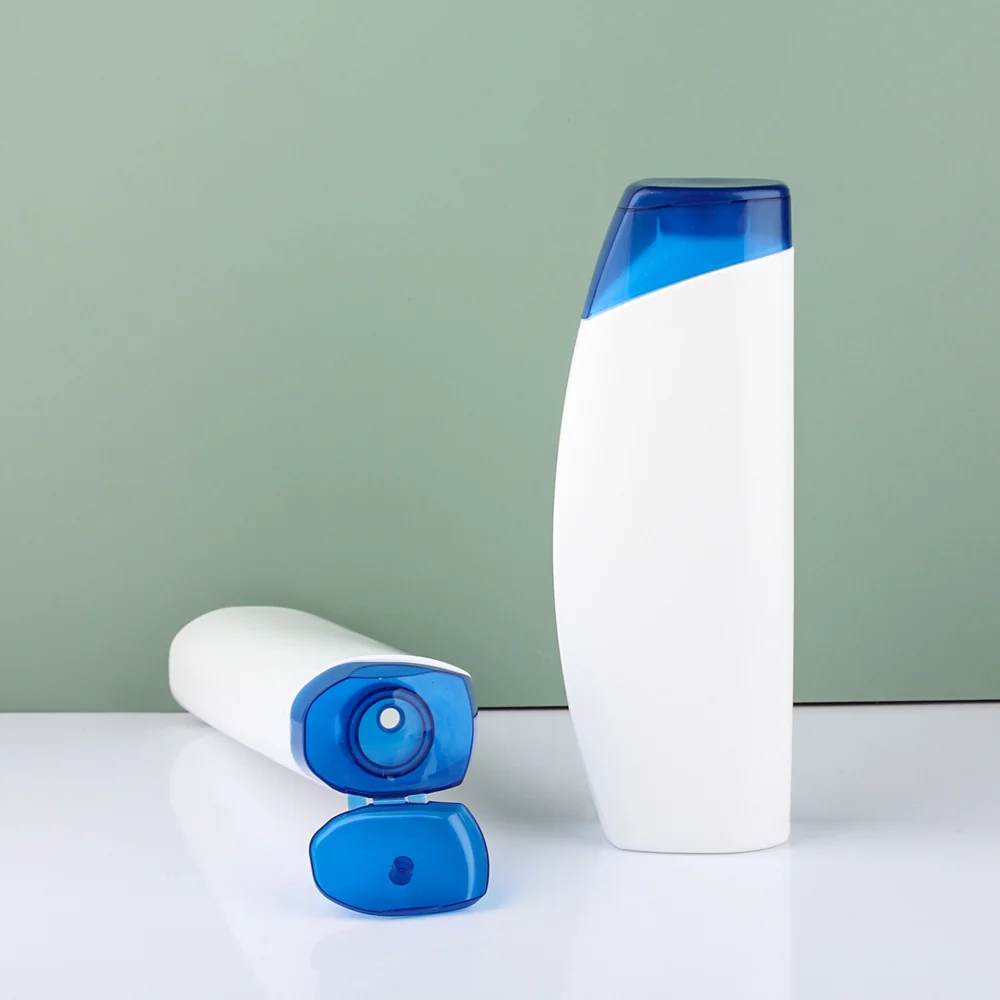
On a men's grooming shelf the formulas are, to the shopper, nearly interchangeable. The claims repeat, the ingredient lists blur, the price bands overlap. What actually stops the hand is the pack: the angle of the shoulder, the colour, the resistance of the pump, the weight in the palm. That judgement is made before a single line of label copy is read.
What follows is how one men's personal-care range was put together — two shampoo sizes and a hair oil, specified as one family rather than three unrelated bottles.
The range was planned as a matrix first, because a family of packs only reads as a family if the sizes are chosen deliberately. Three formats, three jobs:
| Pack | Capacity | The job it does |
|---|---|---|
| Men's shampoo — large | 750 ml | Household volume. Picked up wet, repeatedly, often stored on a shower floor, so the body has to take knocks. |
| Men's shampoo — core | 500 ml | The everyday size shoppers compare against, and usually the highest-volume SKU in the range. |
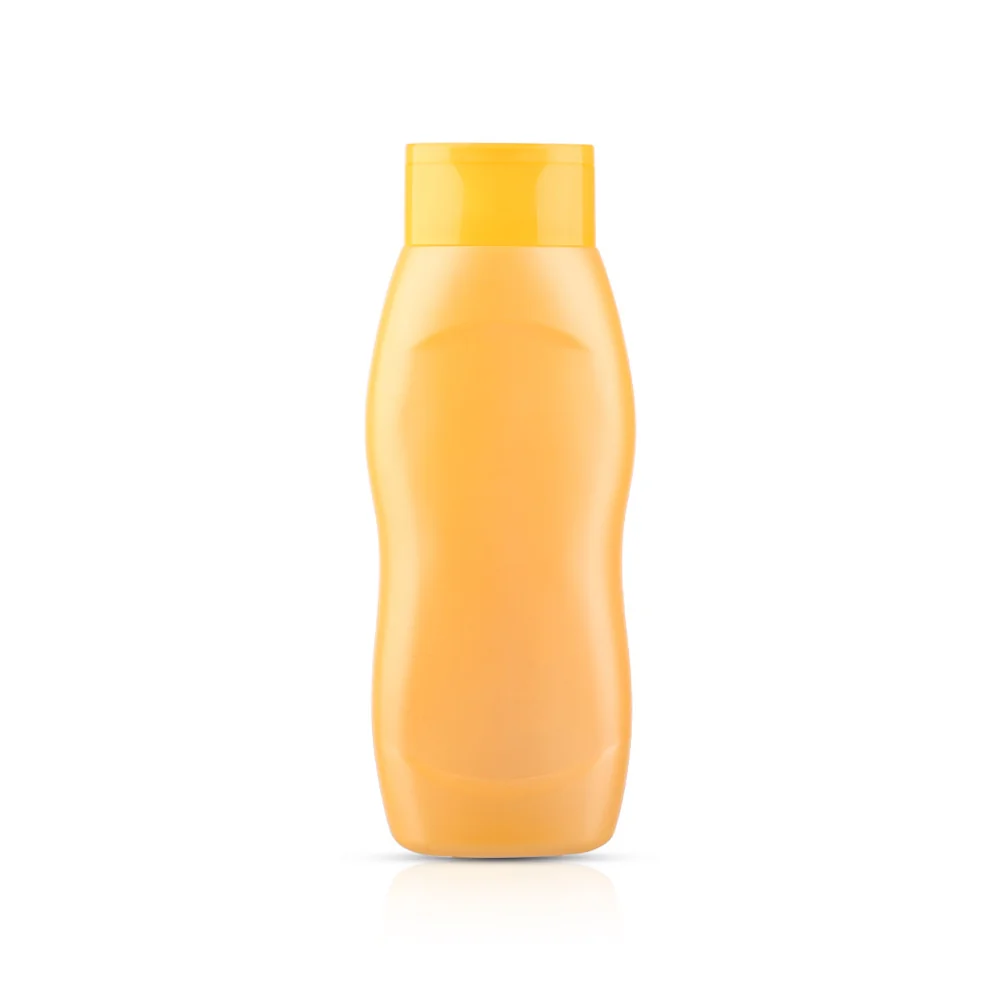
| Hair oil | 180 ml | A precision format with a pump: small, metered doses, and the pack has to let the product itself be seen. |
Getting the matrix right matters more than getting any single bottle right. A 750 ml and a 500 ml that share a shoulder angle, a neck finish and a closure colour look like a range on the shelf; the same two bottles in unrelated shapes look like two different companies.
The design direction here was deliberately hard-edged: simple upright lines, crisp corners instead of soft radii, a matte or lightly frosted surface. It reads as industrial rather than cosmetic, which is the correct register for a men's grooming shelf.
The closures were matched to the body colour rather than contrasted with it, and the pumps were specified for a smooth, consistent stroke. That last point is easy to underestimate. A pump that surges or dribbles undoes the impression the bottle has just created, and it is the part of the pack the customer touches most.
Resin is not a style decision, it is a compatibility decision. Three families cover most of this work:
| Resin | What it gives | Where it fits |
|---|---|---|
| PET | High clarity — it shows the colour and texture of the contents | Hair oils and serums, where seeing the product is part of selling it |
| PE and PP | Flexibility with a stable seal; resists corrosion and survives drops | Large shampoo bottles handled daily and stored in a wet environment |
The choice is driven by the fill, not by the drawing: how oily the formula is, how thick it is, and which preservative system it uses. Those three variables decide whether the pack stays leak-free, keeps its shape, and holds its seal from the fill line to the last drop.
This range was built around a soapberry concept — natural, clean, unfussy — so the palette stayed cool and the surface stayed matte. Around that, decoration is where a pack stops being a commodity:
Decoration is also the cheapest way to make a stock bottle look proprietary. If the mould budget is not there yet, the finish is where the differentiation has to come from.
Most launches are lost to waiting, not to design. A drawing that takes weeks, a hand sample that takes a month, a mould that takes a season — by the time the line is running, the window has closed.
| Step | Lead time | What you get |
|---|---|---|
| Drawing and design | 2 days | A dimensioned drawing you can sign off, not a concept render |
| 3D hand sample | 1 day | A physical part you can hold, fill and test before committing to tooling |
| Mould development | 7 days | A production mould, ready to run |
That is ten days from brief to a mould that can produce. The value is not the number itself but where it puts the risk: the customer is testing a real object on day three, while changing the decision is still cheap.
A pack has two jobs at once. Outward, it has to look like the product is worth what it costs. Inward, it has to protect the formula completely: no seepage, no deformation, a seal that holds in a hot warehouse and a wet shower.
Whether a brand is refreshing an existing line or building a first product, the work comes down to four things — bottle design, material selection, colour development, and landing the whole pack, bottle and closure and decoration, as one project rather than three.
We will recommend resin, gram weight and neck finish, and quote unit price + mold cost within 24 hours.
Reply within 2h · GMT+8 08:30–18:00
Free samples for stock items