Shantou, Guangdong · China's Cosmetic Packaging CapitalFactory direct · No middlemanMOQ from 10,000 pcs · Samples in 3–7 days
Free samples|◍|WhatsApp +86 156 2555 3187
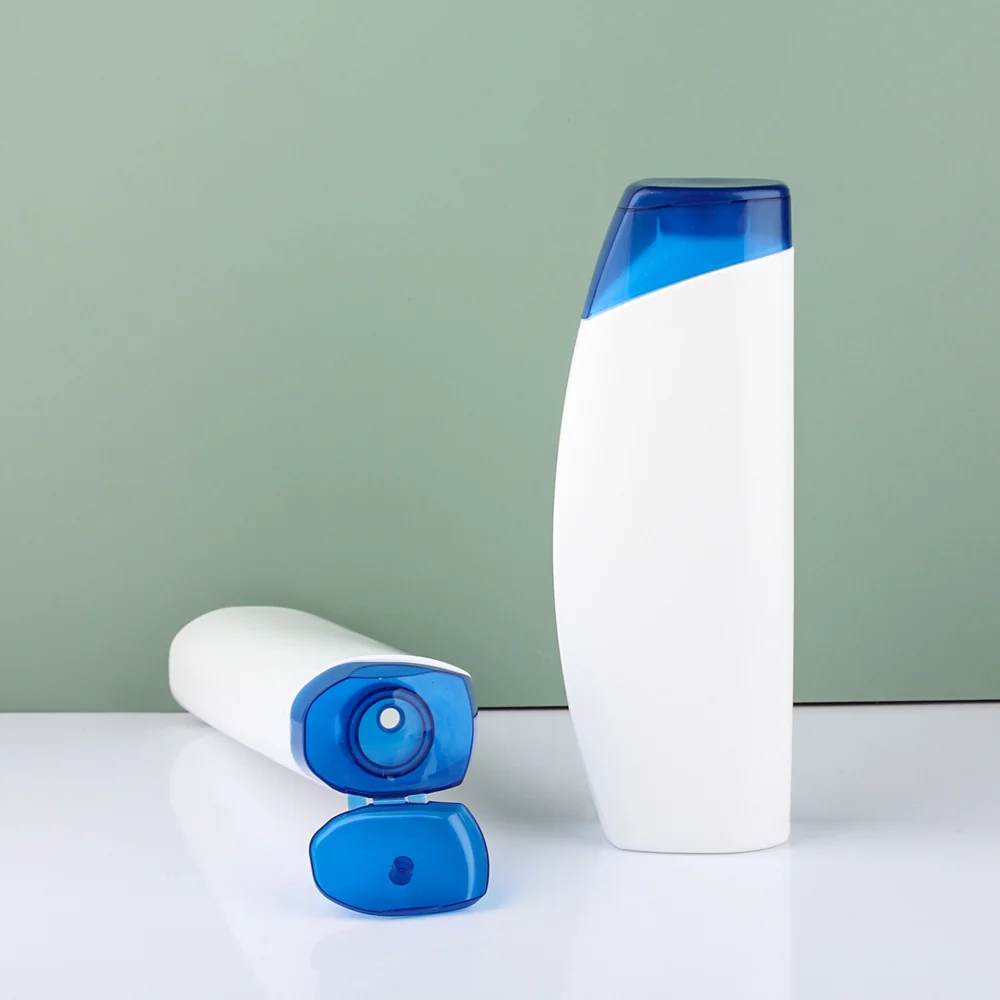
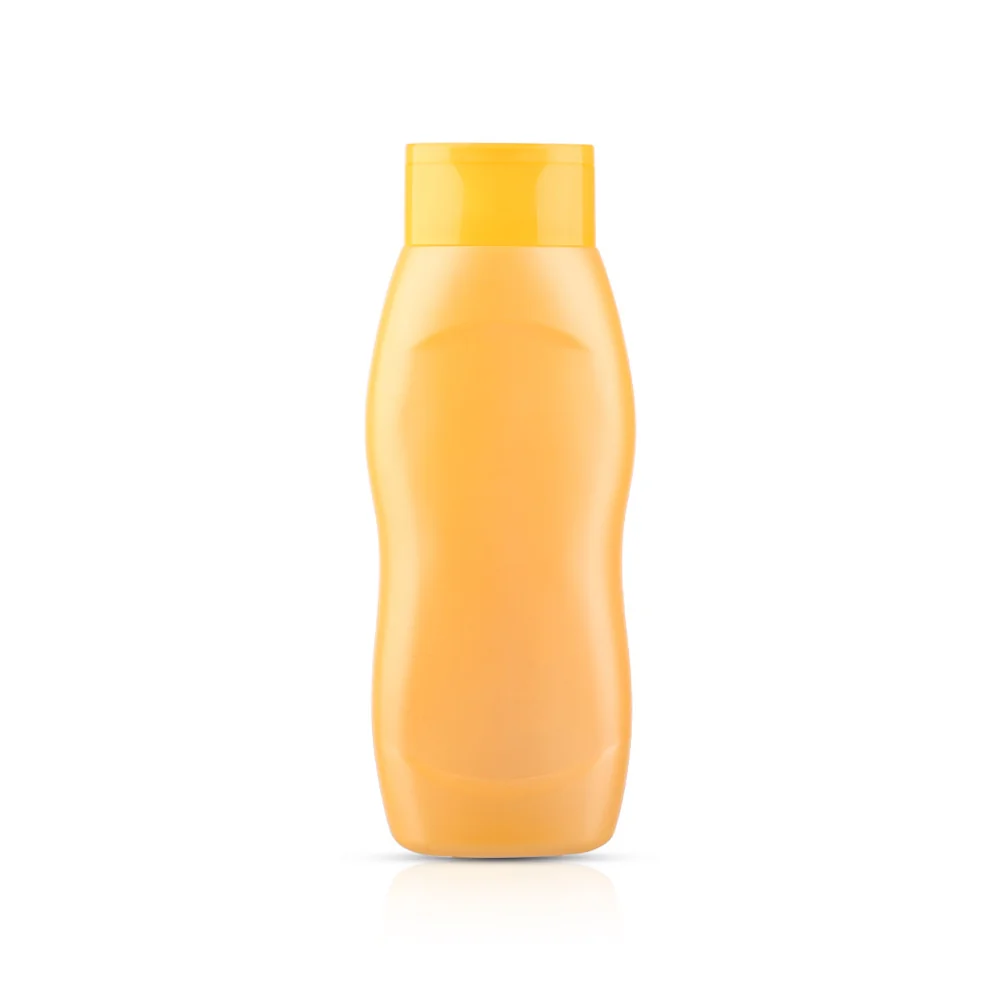
Walk the personal-care aisle and the formulas are, to most shoppers, near enough interchangeable. What differs on the shelf is the pack: a clear bottle here, an opaque one there, a tube, a refill pouch. Those choices are rarely accidental. Resin, closure and decoration decide how the product looks, how it feels in use, and — increasingly — how it scores on compliance and plastic reduction.
What follows rates the common options the way a sourcing team tends to think about them: by recommendation index, judged against the job each one is actually good at.
The body is the main act, and four resins cover almost all of it.
| Resin | Rating | What it is good at | What to watch |
|---|---|---|---|
| PET | ★★★★★ | Clear and bright, close to glass in appearance while staying light and drop-resistant. Very forgiving on shape, so unusual silhouettes are easy to tool. | Not the cheapest route to an opaque pack. |
| HDPE | ★★★★ | Opaque by nature, soft to the touch, chemically stable, corrosion-resistant and a good barrier to air. The default for mass-market body care. | Reads functional rather than premium — a poor fit for an upmarket positioning. |
| PP | ★★★★ | Hard, heat-resistant and dimensionally stable. The standard choice for pumps, caps and closures rather than for the body. | Lower clarity than PET, and harder to make look luxurious. |
| PETG | ★★★☆ | Very high clarity with a heavy, glass-like look and feel. | Noticeably more expensive. Justify it with a genuinely premium tier. |
Note that PET also carries a practical advantage beyond appearance: it can be produced clear, opal white, or in dark shades where light protection is needed, and it is one of the better-established recycled streams. HDPE is the workhorse where the fill has to be shielded from light or where a soft, squeezable body matters more than transparency.
The pump is the component the customer touches on every single use, and it is made almost entirely from PP and ABS. Four types cover the field.
| Type | Rating | Best for |
|---|---|---|
| Standard lotion pump | ★★★★★ | The workhorse: shampoo, body wash, lotion. Lowest unit cost and the widest closure availability. |
| Foamer pump | ★★★★☆ | Dispenses foam directly, so the user never lathers — a real convenience gain in hand wash and face wash. |
| Locking disc-top pump | ★★★★ | Prevents accidental discharge. The correct answer for travel sizes and hotel amenities. |
| Vacuum pump | ★★★☆☆ | Empties the pack almost completely with no air ingress — worth the cost for high-value serums and actives. |
Tubes are the standard format for conditioner, hair masks and cleansers. HDPE and PP suit opaque tubes; PET is used where the tube has to be clear. Refill pouches are usually PE or an aluminium-laminate structure — lighter and cheaper than a full bottle, and the reason a refill normally beats a bottle on carbon.
| Format | Rating | Why |
|---|---|---|
| Tube | ★★★★☆ | Thick products empty cleanly, and the format is compact on shelf and in transit. |
| Refill pouch | ★★★★★ | High plastic reduction per use — the single most effective lever most brands have. |
One trend is worth planning for now rather than later. Paper-based refill systems have been shown to carry a materially lower carbon footprint than LDPE refill pouches, with published figures putting the reduction in global-warming impact at roughly 24–28%. If a refill SKU is on your roadmap, settle the format early: it changes the closure, the fill line and the carton.
The pack is the substrate; the decoration is what actually competes on shelf. Three methods do almost all the work.
| Method | Rating | Where it wins | Cost of changing your mind |
|---|---|---|---|
| Pressure-sensitive label | ★★★★★ | The widest material range — coated paper, synthetic PP, metallised film — with excellent print fidelity. It is the default for a reason. | Low. Reprint and re-apply. |
| Shrink sleeve | ★★★★ | Wraps the whole body including the shoulder, so it delivers the strongest visual impact and shrugs off water. | Medium. Artwork has to be pre-distorted for the shrink. |
| Silkscreen printing | ★★★☆ | Printed directly onto the bottle: a premium look with no label edge to peel. | High. Higher unit cost, and effectively no design change once the screens are cut. |
Choosing packaging means balancing four things that pull against each other: brand positioning, product characteristics, cost and sustainability. A premium line can justify PETG or a glass-like finish. A mass-market line is better served by PET and HDPE on price and availability. If plastic reduction is the goal, a refill or a paper-based system does far more than any resin swap.
Three traps to avoid before you commit:
There is no standard answer. There is the pack that matches the route your product is actually taking.
We will recommend resin, gram weight and neck finish, and quote unit price + mold cost within 24 hours.
Reply within 2h · GMT+8 08:30–18:00
Free samples for stock items