Since 12 August 2026, packaging placed on the EU market needs a Declaration of Conformity (DoC) supported by a technical file. Most suppliers responded by sending something. Far fewer sent the right thing.
A DoC is a formal legal statement, not a courtesy letter. It is drawn up by the manufacturer of the packaging, and if you are importing, you must hold a copy and be able to produce it to market surveillance authorities on request.
The Seven Elements a DoC Needs
- The issuer, identified. Company name and full postal address of the packaging manufacturer, or of its authorised representative inside the EU.
- The packaging described. Packaging type, materials, and a reference such as an article number or drawing number that ties the declaration to a physical product.
- The regulation named. Regulation (EU) 2025/40 — PPWR — cited by its full number. A statement about "applicable EU law" is not a citation.
- The conformity assessment method. Which standard or procedure was used to demonstrate conformity.
- The date. Not the date the PDF was created — the date the declaration was issued, and where applicable its validity or revision status.
- A human signature. Name and function of the person signing on behalf of the manufacturer.
- Place of issue. The city where the declaration was signed.
Four Defects That Make One Worthless
- One declaration covering an entire catalogue. The obligation attaches per packaging type. A sheet covering 400 SKUs is not a DoC; it is a marketing statement.
- No signatory. An unsigned document carries no responsibility. If nobody's name is on it, nobody is accountable for it.
- Scope that excludes your product. A DoC for the bottle that does not mention the closure, or one for the bottle that says nothing about the carton, leaves a gap you will be asked about at the border.
- Borrowed wording. If two suppliers send identical text with only the logo changed, neither has actually performed an assessment.
The Declaration is not the evidence. The technical file is. A DoC states that a conformity assessment happened; the technical file shows what was assessed, how, and against what. Authorities can require the file, and a DoC with no file behind it is worse than none at all.
Who Issues What — and Where the Gaps Usually Are
A finished packaged product is assembled from several packaging types, each with its own manufacturer:
| Component | Who declares it |
|---|
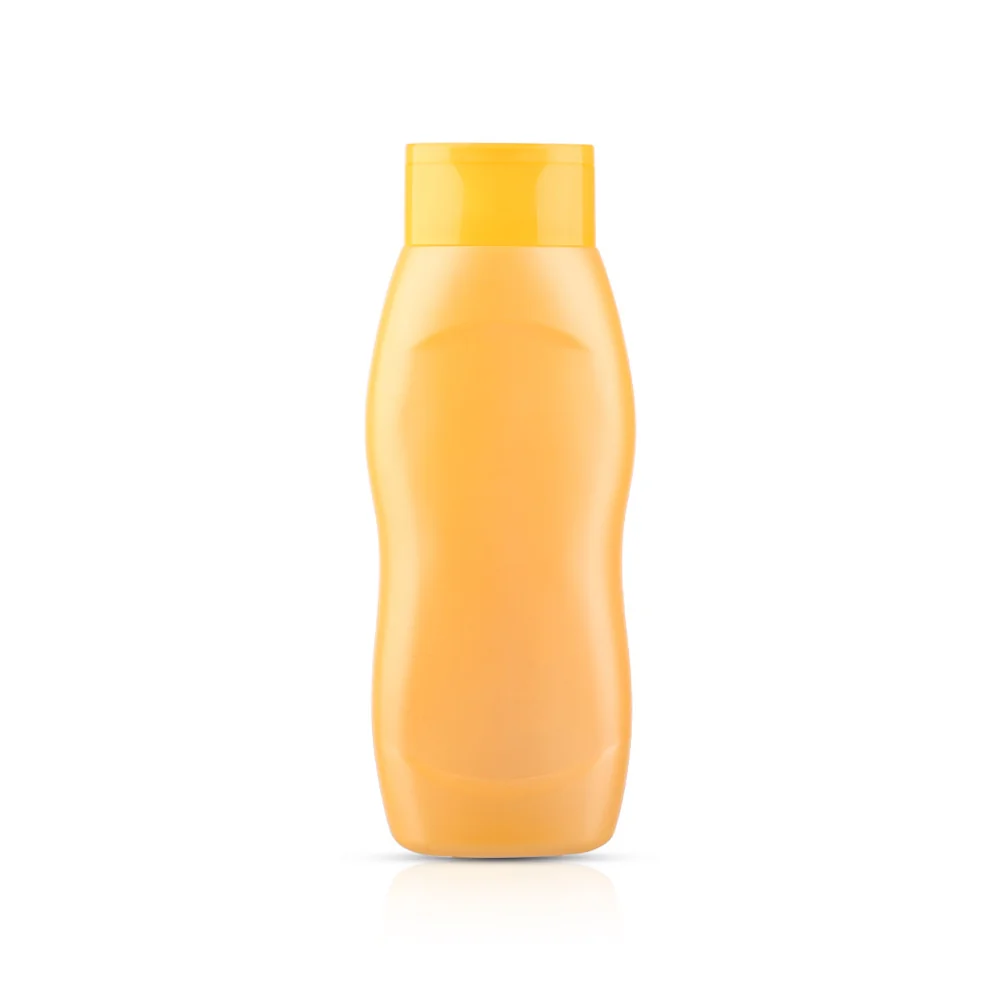
| Bottle and closure | Blow-moulder / closure moulder |
| Label or shrink sleeve | Label converter |
| Retail carton, if any | Folding carton converter |
| Transit carton and dividers | Corrugated converter |
| Pallet stretch or shrink film | Film converter |
The gap is almost always at the bottom of that list. Buyers spend months chasing a declaration for the bottle and forget that the shrink film holding the pallet together is also packaging.
Keeping It, and Keeping It Useful
Retain the documentation for single-use packaging for five years and for reusable packaging for ten. Two habits make that survivable:
- File by packaging type, not by supplier. When an authority or a customer asks, the question will be "what packaging do you use", not "which supplier did you buy from".
- Record the revision date. A DoC issued against an older design is not automatically valid for the current one, and moulds do get reworked.
Ask for the DoC and the technical file in the same email. A supplier who can send one but not the other is telling you something useful about how the first one was produced.
The Short Version
A usable Declaration of Conformity names the issuer, names the regulation by number, describes the packaging type, states the assessment method, and carries a human signature and a date. Everything else — the polite email, the certificate with a badge on it, the general letter of assurance — is not a substitute, and will not help you at the border.